Managing Driver Qualification Files (DQFs) is a critical part of fleet safety and compliance. For trucking companies, a missing, expired, or poorly organized driver record can create unnecessary compliance risks and make audits, inspections, and internal reviews more difficult. An efficient DQF management process helps fleet operators maintain accurate driver information, track important documents, and quickly access records when required. Instead of searching through paper files, emails, or multiple systems, modern fleets are increasingly using centralized digital processes to manage driver documentation.
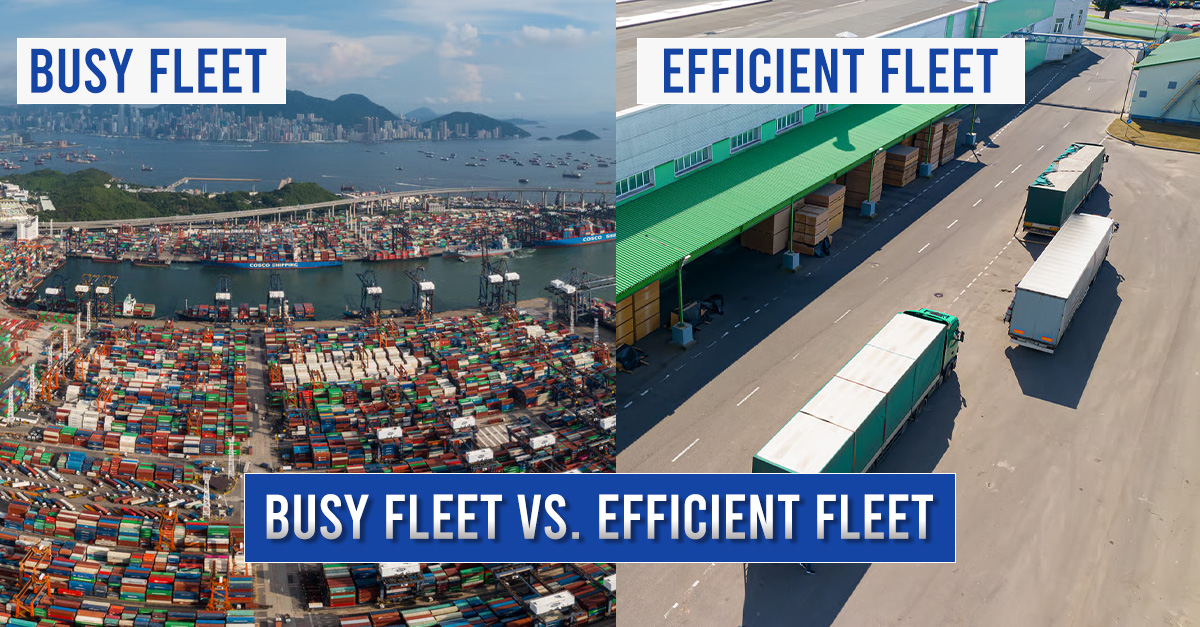
A busy fleet is not necessarily an efficient fleet. Trucks may be constantly moving, drivers may be completing deliveries, and managers may be handling calls all day, yet the business can still lose money through downtime, poor maintenance, compliance gaps, and inefficient processes. For modern trucking and logistics companies, fleet efficiency means getting more value from existing vehicles, drivers, time, and resources while maintaining strong safety and compliance standards.
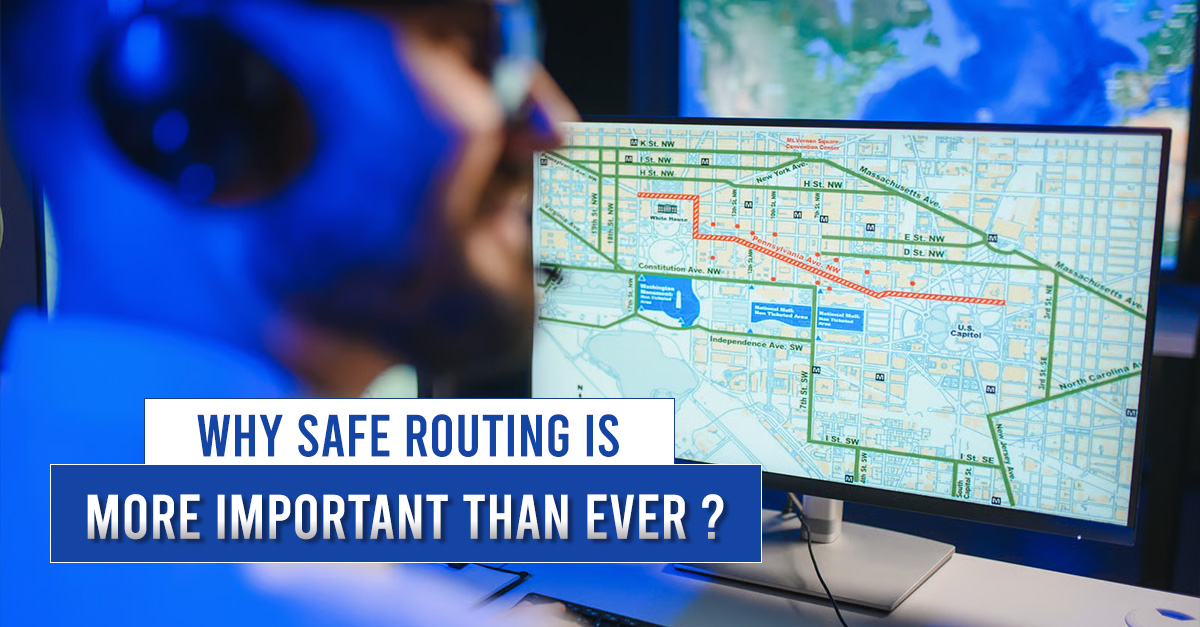
The trucking industry operates in an increasingly complex environment where safety, compliance, and operational efficiency are critical to long-term success. While fleet operators often focus on vehicle maintenance and regulatory compliance, two equally important areas deserve greater attention: safe route planning and careful driver vetting. Together, these practices help reduce accidents, avoid costly delays, improve compliance, and protect both drivers and business reputation.
Expanding your fleet is an exciting milestone, but purchasing another truck isn't always the best solution to improving operations. Many transportation companies invest in new vehicles to increase capacity, only to discover that existing operational issues continue to impact productivity, profitability, and compliance. Before adding another truck to your fleet, it's important to strengthen the processes that keep your business running safely and efficiently.
Safety has always been a top priority in the trucking industry, but modern fleet operations are transforming how companies protect their drivers, vehicles, and businesses. Today, fleet safety extends far beyond meeting regulatory requirements it has become a strategic advantage that improves operational efficiency, reduces costs, and strengthens customer confidence. By adopting digital technologies, proactive maintenance, and data-driven decision-making, modern fleets are redefining what it means to operate safely and compliantly.
In the transportation industry, success is measured by more than the number of deliveries completed. Top-performing fleets consistently achieve higher productivity, maintain stronger safety records, reduce operating costs, and remain compliant with industry regulations. While every fleet faces challenges such as rising fuel costs, driver shortages, vehicle maintenance, and compliance requirements, leading fleets stay ahead by adopting proactive strategies instead of reacting to problems after they occur.
In today’s transportation industry, profitability depends on more than simply moving goods from one location to another. Rising fuel prices, increasing compliance requirements, vehicle downtime, and operational inefficiencies can significantly impact a fleet’s financial performance. This is why effective fleet management has become essential for transportation companies looking to improve profitability while maintaining safety and compliance.
Fleet inspections are a critical part of maintaining safety, compliance, and operational efficiency. However, traditional paper-based inspections often lead to errors, missing records, and delayed reporting. As the trucking industry becomes more regulated and data-driven, digital inspections are emerging as a smarter and more reliable solution. By replacing manual processes with structured digital systems, fleets can significantly improve accuracy and reduce operational risks.
Maintaining compliance with the Commercial Vehicle Operator Registration (CVOR) system is essential for trucking companies operating in Canada. With stricter enforcement and increasing roadside inspections in 2026, even small compliance gaps can lead to significant penalties, poor safety ratings, and higher insurance costs. Understanding the most common mistakes can help fleets stay audit-ready and avoid unnecessary risks.
The logistics industry is rapidly evolving, and traditional paper-based processes are becoming a major bottleneck. From misplaced documents to delayed compliance checks, manual systems slow down operations and increase risk. Paperless fleet management is transforming how companies operate—bringing speed, accuracy, and full visibility into daily workflows.
Operating a trucking business in Canada comes with strict safety and compliance regulations. While these rules are essential for road safety and operational standards, many fleets end up losing thousands of dollars every year - not because of major violations, but due to small, preventable mistakes.
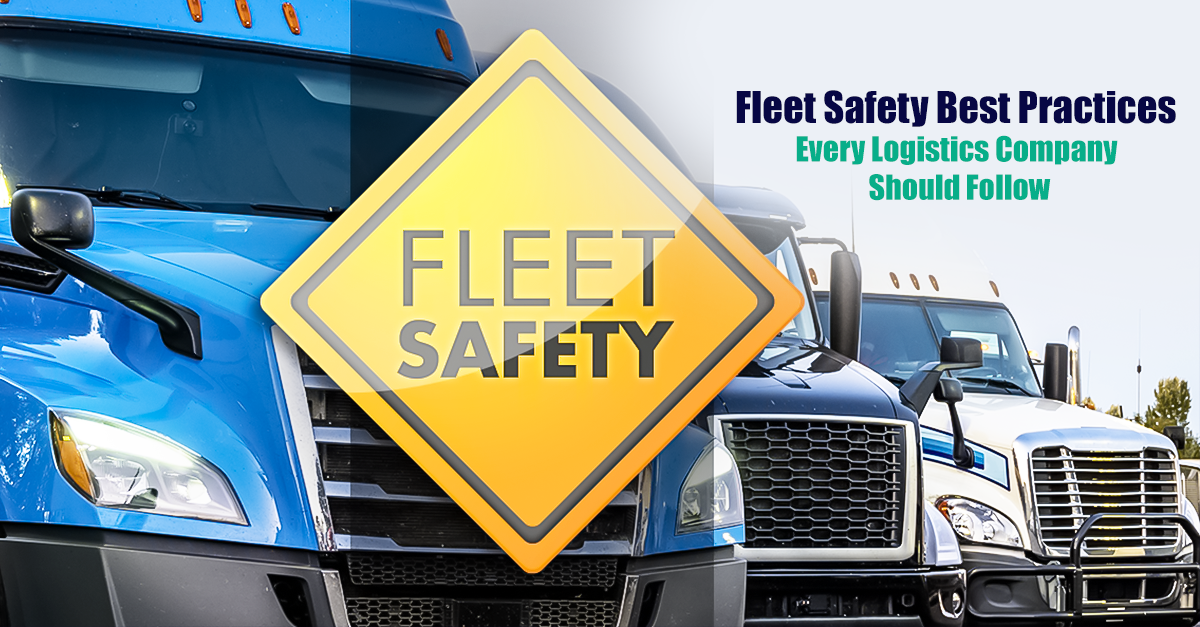
Fleet safety is a critical priority for logistics companies operating in Canada. With strict regulations, long-haul routes, changing weather conditions, and increasing operational pressure, maintaining a safe fleet is not just about compliance-it’s about protecting drivers, assets, and business continuity. Building a strong safety framework requires a combination of the right culture, disciplined driver behaviour, and smart use of technology.