

BLOGS
Your source for fleet insights, AI updates, and operational strategy that help you stay ahead and drive better results.
How Modern Fleets Are Redefining Safety
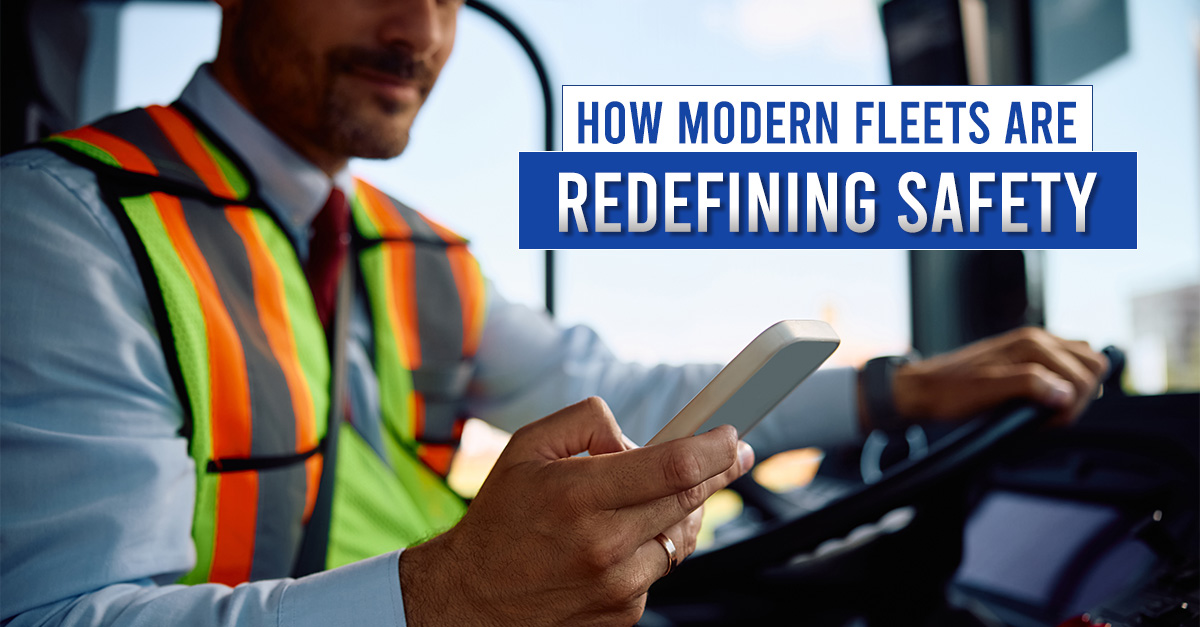
Safety has always been a top priority in the trucking industry, but modern fleet operations are transforming how companies protect their drivers, vehicles, and businesses. Today, fleet safety extends far beyond meeting regulatory requirements it has become a strategic advantage that improves operational efficiency, reduces costs, and strengthens customer confidence. By adopting digital technologies, proactive maintenance, and data-driven decision-making, modern fleets are redefining what it means to operate safely and compliantly.
Moving Beyond Traditional Safety Practices
For many years, fleet safety relied heavily on manual paperwork, periodic inspections, and reactive maintenance. While these methods helped meet basic compliance requirements, they often resulted in missed inspections, incomplete documentation, delayed maintenance, and increased administrative workload.
Modern fleets are replacing paper-based processes with digital platforms that centralize driver records, vehicle inspections, maintenance schedules, and compliance documentation. This shift improves record accuracy, streamlines daily operations, and gives fleet managers instant access to critical information whenever it's needed.
Compliance as a Continuous Process
Safety and compliance go hand in hand. Successful fleets understand that compliance is not something to prepare for only when an audit is approaching it should be part of daily operations.
Incomplete driver qualification files, expired licenses, missed inspections, and overdue maintenance can result in regulatory violations, costly fines, increased insurance premiums, and unnecessary downtime. By digitizing compliance records and using automated reminders for document expirations and scheduled inspections, fleet managers can address issues before they become costly problems.
Maintaining organized, audit-ready records also reduces administrative stress and ensures fleets remain prepared for inspections at any time.
Preventive Maintenance Improves Safety
Vehicle reliability is one of the most important factors in fleet safety. Unexpected mechanical failures increase the risk of roadside incidents, delivery delays, expensive repairs, and lost productivity.
Modern fleets prioritize preventive maintenance by scheduling regular servicing, tracking vehicle health, and recording repair history. Early identification of mechanical issues helps prevent breakdowns while extending vehicle lifespan and improving overall operational reliability. Consistent maintenance also supports regulatory compliance by ensuring vehicles remain roadworthy and properly documented.
Empowering Drivers with Digital Tools
Drivers play a critical role in maintaining fleet safety. Mobile technology now allows drivers to complete pre-trip and post-trip inspections, report defects, upload required documents, and submit safety information directly from their smartphones.
These digital workflows improve reporting accuracy, reduce paperwork, and strengthen communication between drivers and fleet managers. Faster reporting allows maintenance teams to respond quickly, reducing potential safety risks before vehicles return to service.
Data-Driven Safety Decisions
Modern fleets rely on real-time data to continuously improve safety performance. By monitoring inspections, maintenance schedules, driver documentation, trip history, and compliance status, fleet managers gain valuable insights that support better operational decisions.
Access to accurate data enables companies to identify recurring issues, prioritize corrective actions, reduce compliance risks, and improve overall fleet performance.
Conclusion
Modern fleet safety is built on preparation, technology, and proactive management rather than reactive problem-solving. Companies that embrace digital inspections, preventive maintenance, organized compliance records, and real-time visibility are better equipped to reduce fines, prevent downtime, improve driver safety, and maintain regulatory compliance.
As the trucking industry continues to evolve, fleets that invest in smarter safety and compliance practices will be better positioned for long-term success. Platforms like Saelus support this transformation by bringing inspections, maintenance, driver qualification management, and compliance tracking together in one centralized system helping fleets operate more safely, efficiently, and confidently every day.
